
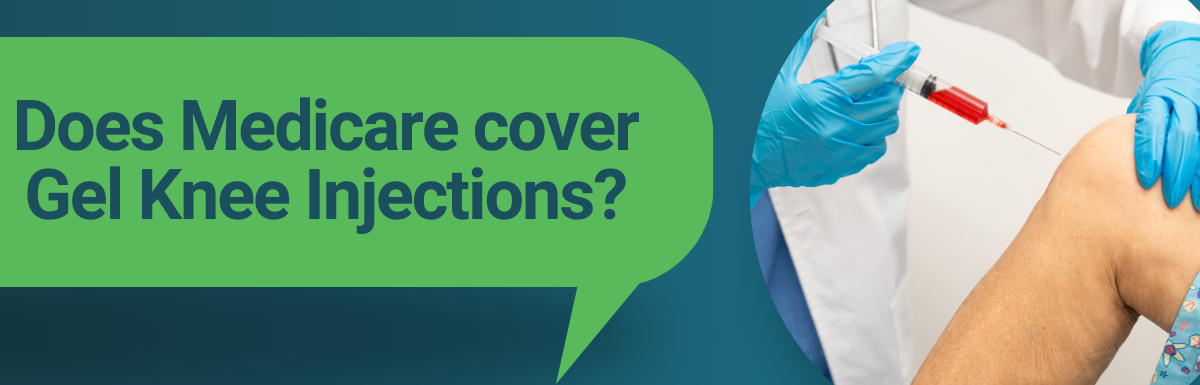
Does Medicare Cover Gel Knee Injections?
Did you know that knee pain affects over half of people over 65?
Osteoarthritis (OA), the most common form of arthritis—a primary cause of knee pain—affects roughly 1 in 7 adults, totaling 32.5 million people across various age groups. Of these, 13.8 million are adults aged 65 and older.
This makes even simple movements challenging and often painful.
Many people turn to gel knee injections for a non-surgical approach to relief, but questions about Medicare coverage can make this option seem confusing.
We’re here to walk you through exactly what Medicare covers for gel knee injections, the eligibility criteria, costs, and insider tips for getting approval. Let’s ensure you have everything you need to feel confident and informed.
What Are Gel Knee Injections?
Gel knee injections, also called hyaluronic acid injections or viscosupplementation, offer relief from osteoarthritis and other joint conditions by adding a lubricating gel directly into the knee.
Hyaluronic acid, the main component, is naturally found in our joints and helps cushion and lubricate them. People often experience less friction, reduced pain, and easier movement with these injections—without the need for surgery.
How do gel knee injections compare to alternatives?
Gel injections offer longer-lasting relief, especially compared to cortisone shots, which primarily reduce inflammation but may not address long-term joint lubrication.
Surgery is often a last resort, so gel injections are an excellent middle ground for those looking to delay or avoid it altogether.
Does Medicare Cover Gel Knee Injections? (The Essentials)
Medicare may cover gel knee injections under certain conditions, especially if deemed “medically necessary.”
Medicare Part A vs. Medicare Part B:
Medicare Part A, which focuses on hospital care, won’t typically cover outpatient treatments like gel knee injections.
However, Medicare Part B can cover outpatient treatments, including these injections, as long as they meet specific criteria.
What to Know About Coverage:
- Medical Necessity: Medicare typically covers gel injections when a doctor (normally an orthopedic specialist) confirms they’re “medically necessary” for managing pain and mobility issues related to osteoarthritis.
- Frequency: Medicare generally covers gel injections every six months, though frequency can depend on your individual needs and your healthcare provider’s recommendations.
- Who Decides the Guidelines? Coverage is guided by the Centers for Medicare & Medicaid Services (CMS), which periodically updates its rules to ensure appropriate treatments for Medicare beneficiaries.
Some people assume Medicare will cover injections no matter where they’re administered, but these injections are typically only covered when received in an outpatient setting, such as a doctor’s office or clinic.
Eligibility Requirements for Gel Knee Injection Coverage
Medicare has specific eligibility requirements, and meeting them can help ensure you receive coverage. Here’s what you’ll typically need:
Documentation Requirements: Medicare typically requires detailed proof that gel injections are necessary. Gathering the following documents ahead of time can smooth the process:
Medical records outlining your knee pain, history, and treatments attempted.
Documentation of prior treatments, like physical therapy, cortisone injections, or pain medications.
Imaging results, such as X-rays or MRIs, showing joint degeneration that supports the need for injections.
Working with an orthopedic specialist can strengthen your case for coverage. Specialists can provide the documentation that Medicare trusts, making it easier to confirm your medical necessity.
Cost of Gel Knee Injections with Medicare
While Medicare can cover gel knee injections, there may still be costs involved.
Here’s what to know and how to minimize your expenses.
Out-of-Pocket Costs: Medicare Part B generally covers 80% of the cost for gel knee injections, leaving patients responsible for the remaining 20% after meeting the Medicare Part B deductible. Additional costs may apply depending on provider fees and other factors.
Cost-Saving Tips:
- Medicare Supplement (Medigap) Plans: Medigap could cover some out-of-pocket costs that Medicare Part B doesn’t, including coinsurance and deductible payments. Each Medigap plan varies, so check with your insurance agent for details.
- Medicare Advantage Plans: Medicare Advantage Plans, offered by licensed private insurers, often include benefits beyond Original Medicare, like caps on out-of-pocket spending. Some plans may offer lower copays or additional coverage for gel knee injections, making them worth considering.
- Ask for Cost Estimates and Negotiate: Before starting treatment, ask your health provider for a cost estimate to budget more accurately. Some healthcare providers also offer discounts or payment plans if you’re covering part of the treatment yourself.
- Look into Financial Assistance Programs: Some hospitals and clinics offer financial assistance for qualifying individuals. Local or national patient advocacy groups may also provide grants or resources to help with costs.
Look out for unexpected costs. Medicare might cover the injection itself, but certain costs—like transportation, consultations, or follow-up appointments—might be billed separately.
What to Do if Medicare Denies Coverage for Gel Injections
If your request for Medicare coverage is denied, you still have options.
Here’s how to approach a denial and improve your chances in the appeal:
Steps After Denial:
First, request an explanation of why Medicare denied the coverage. Often, denials result from missing documentation or an unclear justification of medical necessity.
How to Appeal:
Medicare has an appeals process that can be helpful if you’re facing a denial. Here’s a general approach:
1. Collect any missing documentation or supporting records.
2. Complete Medicare’s appeal form (Form CMS-20027).
3. Submit the form along with supporting documents and a clear explanation.
Tips for Maximizing Medicare Approval Odds
These tips can help you increase your chances of Medicare approval for gel knee injections:
- Clear Communication with Your Doctor: Be specific about your symptoms and any previous treatments you’ve tried. This will help your doctor to support your case.
- Consult with a Licensed Insurance Agent: Licensed insurance agents can clarify coverage details, explain complicated cases, and guide you through the application process.
Conclusion
Medicare coverage for gel knee injections can be a lifeline for those managing chronic knee pain and mobility challenges.
Start by confirming your eligibility with your doctor, collect all the required documentation, and, if coverage is denied, remember that appealing the decision is always an option.
Note: If you need more help finding the right Medicare plan fit for you, call or text us at +1 877-360-6565 (TTY: 771), and a licensed insurance agent will be happy to assist you at no cost to you!